
You’ll notice your beer belly shrinking within the first four weeks, but that initial change is mostly reduced bloating, not actual fat loss. True abdominal fat burning kicks in around weeks four through twelve as your body shifts from water weight loss to burning stored fat. Most moderate to heavy drinkers see substantial beer belly reduction within three to six months. The timeline depends on several factors, including your drinking history and lifestyle habits.
How Long Does It Really Take to Lose a Beer Belly?

Most people notice their beer belly starting to shrink within three to four weeks of quitting alcohol, though the timeline varies based on how much you drank, your overall diet, and activity level. Initial changes often reflect reduced bloating rather than true fat loss.
When considering how long to lose beer belly fat, expect meaningful results between months one and three. Moderate to heavy drinkers often shed 10-15 pounds during this period without additional dietary changes. How long does it take to get rid of a beer belly completely? Most achieve substantial reduction or elimination within three to six months.
Your body burns approximately one pound of fat per 3,500-calorie deficit. Cutting 500 calories daily produces roughly four pounds of monthly loss. Since alcohol contains seven calories per gram, nearly as much as fat, eliminating it creates a significant calorie reduction that accelerates this process. Additionally, removing alcohol helps because drinking beer can interfere with fat burning, making weight loss more difficult even when you’re in a calorie deficit. Your body burns approximately one pound of fat per 3,500-calorie deficit, so cutting 500 calories daily produces roughly four pounds of monthly loss. Since alcohol contains seven calories per gram, nearly as calorie-dense as fat, eliminating it creates a substantial energy deficit, which also reframes questions like does beer make you gain more weight than liquor around total calorie load rather than beverage type. Additionally, removing alcohol helps because drinking beer can interfere with fat oxidation, making weight loss more difficult even when you’re technically in a calorie deficit.
Weeks 1-4: Why Bloating Fades Before Fat Does
During the first few weeks after you stop drinking, your body begins resolving water retention, rebalancing gut bacteria, and reducing inflammation, changes that flatten your stomach before any actual fat loss occurs. You’ll likely notice your midsection looks smaller within days as your body stops compensating for alcohol’s dehydrating effects and releases excess fluid. This initial visual improvement isn’t fat disappearing; it’s your digestive system starting to heal and normalize. Many people experience around 2 pounds of weight loss during these first two weeks as the body begins to recover. Bloating typically sets in within the first 3 days of quitting, but inflammation decreases and symptoms should ease within 2-4 weeks as your body continues to recover.
Water Retention Resolves First
When you stop drinking alcohol, your body goes through a predictable sequence of changes, and water retention resolves well before any considerable fat loss occurs. Understanding how long for beer belly to go away requires recognizing these distinct phases.
During the first week, you’ll experience peak bloating as your body rebalances hydration levels. By weeks two through four, inflammation settles and water retention normalizes. How long does beer belly last depends partly on your drinking history and hydration habits. Gut microbiome imbalance from prolonged alcohol use can also contribute to persistent bloating during early recovery. During the first week, you’ll experience peak bloating as your body rebalances hydration levels, which explains why does beer cause water retention through hormonal disruption and inflammatory responses. By weeks two through four, inflammation typically settles and water retention normalizes. How long a beer belly lasts depends partly on your drinking history and hydration habits, and gut microbiome imbalance from prolonged alcohol use can also contribute to persistent bloating during early recovery.
| Timeline | What Happens |
|---|---|
| Days 0-3 | Rebound water retention begins |
| Days 3-7 | Peak bloating from hydration imbalance |
| Days 7-14 | Bloating starts easing |
| Weeks 2-4 | Inflammation reduces substantially |
| Weeks 3-4 | Most water retention resolves |
Drinking 8-10 glasses of water daily accelerates this process. As your immune system strengthens during this period, your body becomes more efficient at reducing inflammation and processing excess fluids.
Gut Bacteria Rebalancing Effects
Although water retention accounts for early visible changes, your gut microbiome undergoes equally rapid shifts that directly influence how quickly bloating fades. Bacterial populations begin shifting within days of quitting alcohol, with microbial diversity increasing dramatically during the first two weeks, particularly in heavy drinkers.
You’ll likely experience temporary bloating peaking between days 3-7 as your digestive system recalibrates. This occurs because beneficial bacteria like Faecalibacterium prausnitzii return while short-chain fatty acid production rebounds. Research shows butyrate and acetate metabolism stabilizes within 1-2 weeks, reducing inflammation throughout your system. As your gut heals, it also restores production of neurotransmitters like serotonin and GABA, which can help reduce cravings and mood disturbances that often trigger overeating during early sobriety.
Can a beer belly go away through these changes alone? Not entirely, but they create the foundation. By week 3, your gut barrier typically heals completely, and bloating resolves as your microbiome adapts, making your beer belly go away more efficiently. During this healing period, you may also notice improved nutrient absorption as the cells responsible for extracting vitamins and minerals from food begin to repair after being damaged by alcohol.
Inflammation Subsides Gradually
Your gut bacteria begin recovering within days, but the inflammation alcohol caused throughout your digestive system takes longer to resolve. During weeks one and two, you’ll experience peak digestive tract inflammation as your stomach lining heals from prior irritation. Water retention normalizes gradually, reducing initial puffiness.
By weeks two through three, gut lining healing reduces heartburn and bloating intensity. Your liver inflammation begins subsiding, contributing to systemic relief. Drinking plenty of water helps your body process toxins quicker, accelerating recovery during this phase. As your digestive system heals, you’ll likely notice improved nutritional absorption since your body can better utilize nutrients from food without alcohol interfering.
Understanding the beer belly weight loss timeline requires distinguishing bloating from fat. When considering how long to get rid of beer belly, recognize that inflammatory puffiness resolves by week four, while visceral fat reduction demands a sustained calorie deficit beyond this period. Initial belly shrinkage stems primarily from fluid loss and inflammation resolution, not adipose tissue reduction. True fat loss follows a separate, longer timeline.
The 4-12 Week Mark: When Your Belly Actually Shrinks
Between weeks four and twelve, your body shifts from losing water weight to burning actual abdominal fat. This is when you’ll notice genuine changes in waist circumference and how your clothes fit. Understanding how long it takes to lose a beer belly depends on several metabolic factors working together.
Weeks four through twelve mark the turning point, when water weight loss transitions to genuine abdominal fat burning.
During this phase, three key processes accelerate your progress:
- Calorie deficit compounds, eliminating 1,000+ weekly alcohol calories drives steady fat metabolism
- Liver function normalizes, resolved inflammation improves your body’s ability to process stored fat
- Hormonal balance returns, sleep improvements regulate appetite and fat storage patterns
How long to lose a beer belly varies individually, but maintaining a 500-calorie daily deficit typically yields one pound of fat loss weekly throughout this critical window. Your body also experiences reduced food cravings, particularly for calorie-dense foods, as hunger signals become properly regulated without alcohol’s interference.
Why Heavy Drinkers Take Longer to See Results
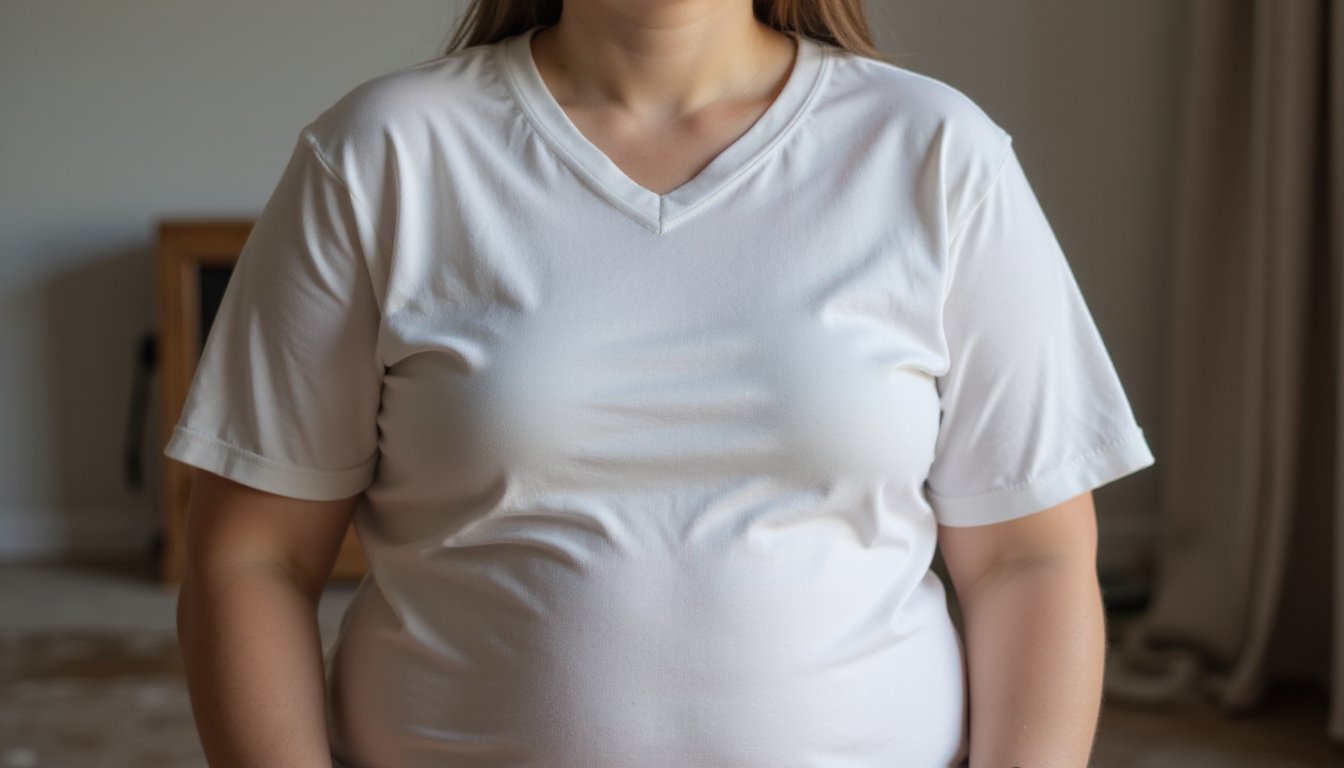
Heavy drinkers face a longer road to losing their beer belly because alcohol creates deeper physiological damage that doesn’t resolve quickly. Your gut microbiome needs several months to fully restore beneficial bacteria levels after chronic use. Liver damage and recovery delay means inflammation takes up to six months to fully resolve, keeping your metabolism sluggish.
Water retention and rebound effects also extend your timeline. While moderate drinkers see bloating ease within two weeks, heavy drinkers experience prolonged retention lasting three to seven days initially, with full normalization taking up to four weeks. Your digestive inflammation persists longer too, alcoholic gastritis can cause bloating beyond one month in chronic cases. Additionally, withdrawal symptoms peak 24-72 hours after your last drink, which can temporarily disrupt your body’s ability to regulate fluid balance and metabolism.
Expect your gut lining to heal within two weeks to one month, but complete microbiome restoration requires several months of sustained abstinence.
Diet and Exercise Tactics That Speed Up Beer Belly Loss
Five key strategies accelerate beer belly loss once you’ve stopped drinking: maintaining a calorie deficit, staying hydrated, eating protein-rich foods, exercising consistently, and optimizing sleep. Five key strategies accelerate beer belly loss once you’ve stopped drinking, forming the foundation of how to lose a beer belly effectively and sustainably. Maintaining a calorie deficit, staying well hydrated, eating protein-rich foods, exercising consistently, and optimizing sleep work together to reduce abdominal fat and support metabolic recovery.
Calorie deficit maintenance becomes easier without alcohol’s empty calories, eliminating drinks alone removes 1,000+ weekly calories. A protein rich diet preserves muscle mass during weight loss while increasing satiety, helping you sustain the deficit without hunger.
Three tactics deliver measurable results:
- Hydration focus: Consistent water intake resolves bloating within 1-2 weeks and helps distinguish thirst from hunger. Since alcohol acts as a diuretic causing frequent urination and dehydration, replenishing fluids is essential for recovery.
- Moderate exercise: Daily walking accelerates bloating reduction within 4-7 days and supports waist measurement decreases by weeks 3-4.
- Sleep optimization: Targeting 7-9 hours nightly regulates appetite hormones and complements metabolic normalization for sustained fat loss. While sleep patterns improve after quitting alcohol, it can take up to a month for some individuals to experience full restoration.
When to See a Doctor About Stubborn Beer Belly
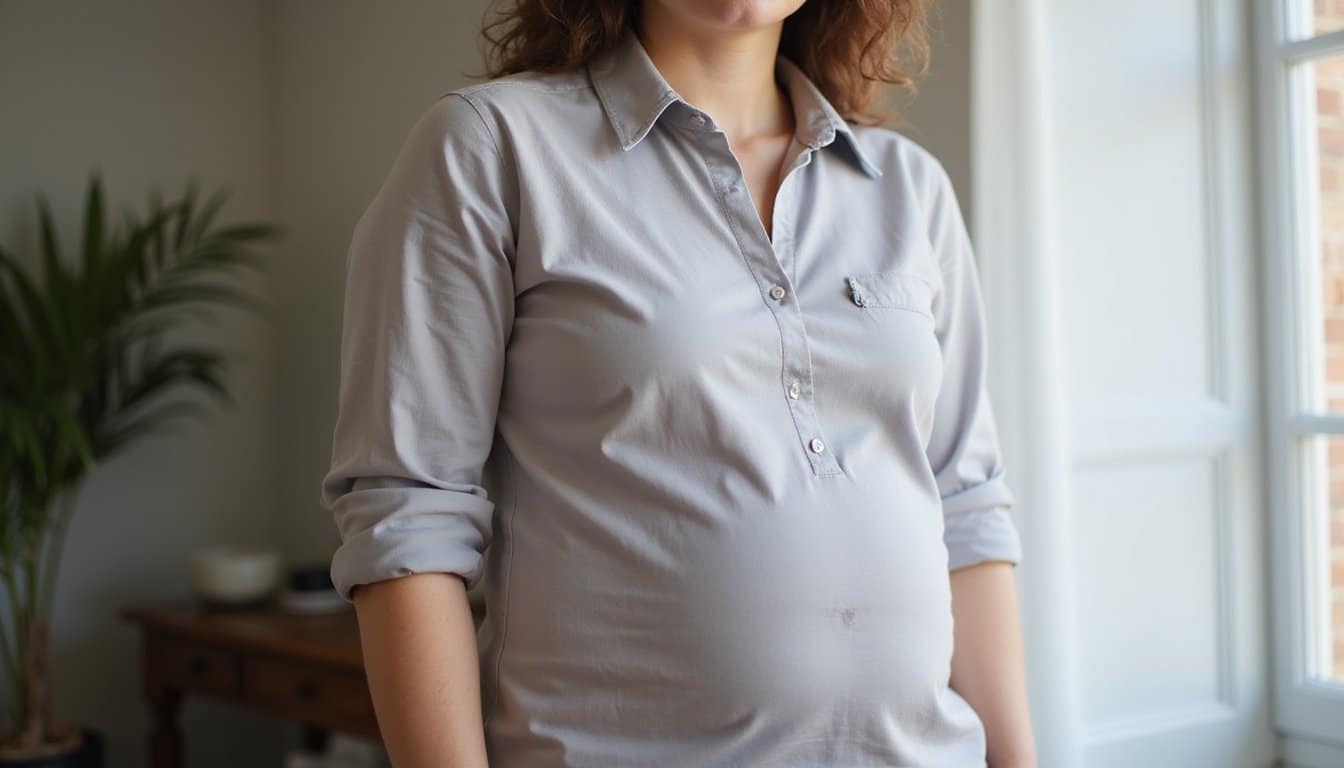
Most stubborn beer bellies respond to the lifestyle changes outlined above, but certain warning signs indicate you should consult a doctor rather than continuing on your own.
If you’re wondering how long does it take for beer belly to go away and months of consistent effort haven’t produced results, it’s time for professional evaluation. Your primary care doctor can assess whether underlying conditions are interfering with fat loss. Your doctor may also discuss whether GLP-1 inhibitor medications like Ozempic could be an appropriate option for your situation.
Knowing when to see a doctor about stubborn beer belly becomes critical if you experience abdominal pain, rapid belly expansion, or changes in bowel habits. A waist measurement exceeding 40 inches for men or 35 inches for women signals elevated health risks requiring medical attention. Your doctor may order labs or refer you to a specialist for extensive evaluation.
Frequently Asked Questions
Can Zinc Supplements Help Burn Belly Fat After Quitting Alcohol?
Zinc supplements may support belly fat loss, but they won’t work alone. Research shows zinc combined with a calorie-restricted diet reduces waist circumference more effectively than diet alone. It enhances lipolysis, improves insulin sensitivity, and helps regulate appetite. You’ll likely see better results if you’re eating at a modest calorie deficit while supplementing. However, zinc isn’t a fat burner by itself, it’s a tool that works best alongside dietary changes and consistent activity.
Will My Beer Belly Come Back if I Start Drinking Occasionally?
Your beer belly may return with occasional drinking. Alcohol immediately reactivates water retention and triggers GI tract inflammation, causing bloating regardless of how infrequently you drink. Resumed consumption can also reverse liver function improvements and disrupt the gut microbiome balance you’ve worked to restore. While research doesn’t specify exact thresholds for occasional drinking, the physiological mechanisms that contribute to belly fat reactivate each time you consume alcohol.
Does Age Affect How Quickly a Beer Belly Disappears After Stopping Drinking?
Yes, age directly affects how quickly your beer belly disappears. As you get older, your metabolism slows and hormonal changes make it harder to lose abdominal fat. Alcohol-related zinc deficiency can lower testosterone levels in men, which further prolongs belly fat retention. You’ll likely need more time and consistency with diet and exercise compared to younger individuals. However, you’ll still see improvement, it just requires patience and realistic expectations.
Can Probiotics Speed up Beer Belly Reduction After Quitting Alcohol?
Probiotics won’t directly burn belly fat, but they can support your gut’s recovery after quitting alcohol. When you stop drinking, your gut bacteria need time to rebalance, probiotics help speed this process during weeks 2-4. This reduces bloating and improves digestion, which can make your midsection appear flatter sooner. While they don’t replace a calorie deficit for actual fat loss, probiotics create better conditions for your overall metabolism.
Why Does My Stomach Look Bigger Some Mornings During Alcohol Recovery?
Your stomach may look bigger some mornings because your gut microbiome is actively rebalancing. As beneficial bacteria repopulate your digestive tract, you’ll experience temporary increased gas and bloating. Additionally, rebound water retention creates puffiness during the first few days after quitting. Inflammation in your stomach lining also peaks during the first week of recovery. These effects typically settle within 4-7 days as your digestive system heals and stabilizes.